
A digital wallet is the primary tool for interacting with blockchain networks, functioning not as a storage device for digital assets but as a secure interface for managing private keys. These cryptographic keys are the essential credentials that prove ownership and authorize transactions on the blockchain. The evolution of wallets represents a constant balancing act between two critical, often opposing, forces: robust security and user-friendly accessibility. Early solutions prioritized security in a complex environment, while modern developments strive to simplify the user experience without compromising safety.
The most basic wallet category is the software wallet, which includes desktop, mobile, and web-based versions. These are applications that store private keys directly on a user’s device or, in the case of some web wallets, within a controlled browser environment. They offer high accessibility and convenience for frequent transactions. However, their security is intrinsically linked to the security of the device they reside on; if the device is compromised by malware, the private keys—and thus the assets—can be stolen. This makes them suitable for smaller amounts, analogous to a physical wallet for daily use.
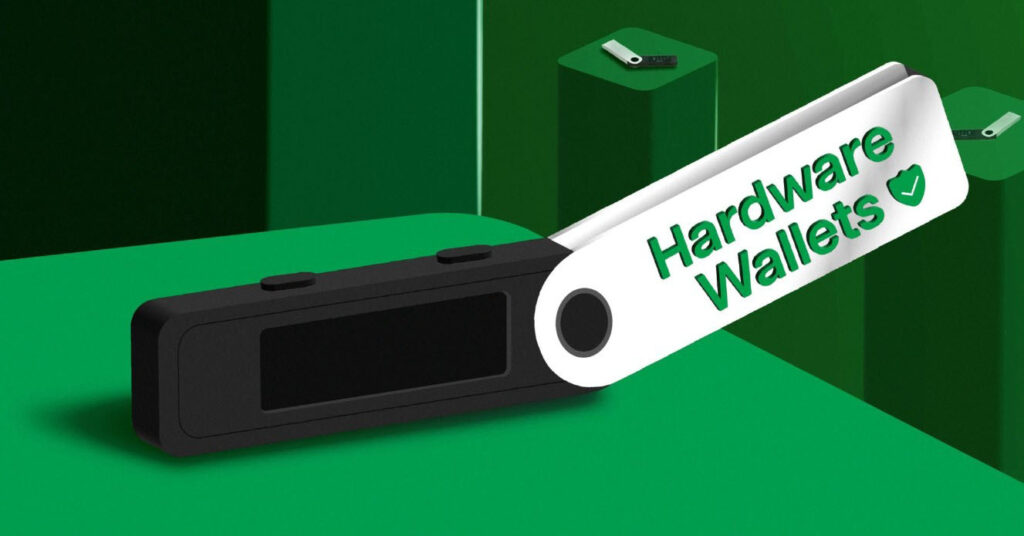
To address the vulnerabilities of software wallets, hardware wallets were developed. These are specialized physical devices, like USB drives, designed solely to generate and store private keys offline, in what is known as “cold storage.” Transactions are signed securely within the device and then broadcast via a connected computer or phone. Because the private keys never leave the hardened environment of the hardware wallet, they are immune to online hacking attempts. This makes them the gold standard for securing significant holdings, albeit with a slight trade-off in convenience for daily transactions.
A critical concept in modern wallet design is the recovery seed phrase, also known as a mnemonic phrase. This is a list of 12 to 24 randomly generated words created when a wallet is first set up. This phrase is a human-readable backup of the wallet’s master private key. If the wallet device is lost, damaged, or stolen, the user can recover their entire set of keys and associated assets on any compatible wallet by simply inputting this seed phrase. Protecting this phrase is paramount, as anyone who possesses it gains complete control over the wallet’s contents.
The latest evolution seeks to abstract away this complexity entirely through custodial solutions and smart contract wallets. Custodial wallets are managed by a third-party service that holds the user’s private keys on their behalf, similar to a bank, offering easy recovery and user experience but sacrificing direct control. Emerging smart contract wallets, or “account abstraction,” allow for programmable security features, such as social recovery (where trusted contacts can help restore access) and spending limits, potentially offering a more flexible and user-friendly model without a single point of failure.
Looking forward, the trajectory of wallet development points toward seamless integration and enhanced security models. The ideal is a wallet that is as easy to use as a mainstream payment app but with the self-custody and security assurances of a hardware device. Innovations in biometric authentication, multi-signature schemes requiring multiple approvals, and deeper operating system integration are all steps on this path. The wallet is evolving from a specialized tool for enthusiasts into a foundational component of a more accessible and secure digital identity framework.